

Introduction
Vacuum trucks have become indispensable in a wide range of industries due to their versatility and efficiency in handling various tasks. These specialized vehicles are equipped with powerful vacuum systems that enable them to suction, transport, and dispose of a wide variety of materials, liquids, and sludges. From environmental cleanup to industrial maintenance, vacuum trucks play a crucial role in ensuring the safe and efficient management of waste materials. In this article, we will explore the diverse applications of vacuum trucks across different industries, highlighting their importance and contributions to modern-day operations.
Environmental Cleanup and Remediation
One of the primary applications of vacuum trucks is in environmental cleanup and remediation efforts. These vehicles are used to extract hazardous materials, pollutants, and contaminants from soil, water, and other environmental media. Vacuum trucks equipped with specialized filtration systems are capable of removing substances such as oils, chemicals, and solvents from contaminated sites, preventing further environmental damage and ensuring the safety of nearby communities.
In the event of oil spills, vacuum trucks are deployed to quickly and efficiently remove the spilled oil from land or water surfaces. By using their powerful suction capabilities, these trucks can collect large volumes of oil, minimizing the impact on the environment and wildlife. Vacuum trucks are also used in the cleanup of hazardous waste sites, industrial spills, and other environmental emergencies, making them vital tools in environmental protection and restoration efforts.
Industrial Waste Management
Vacuum trucks play a crucial role in industrial waste management by providing efficient and reliable means of transporting and disposing of various types of waste materials. Industries such as manufacturing, petrochemical, and food processing generate large quantities of liquid and solid waste that require proper handling and disposal. Vacuum trucks are used to collect and transport these wastes to designated disposal facilities, reducing the risk of environmental contamination and ensuring compliance with regulatory requirements.
In industrial settings, vacuum trucks are commonly used to clean and maintain storage tanks, pipelines, and other equipment that accumulate sludge, debris, and other contaminants over time. By utilizing their powerful vacuum systems, these trucks can remove the accumulated materials efficiently, allowing for safe and effective maintenance operations. Vacuum trucks are also employed in the removal of industrial byproducts, chemicals, and other waste materials, contributing to the overall cleanliness and safety of industrial facilities.
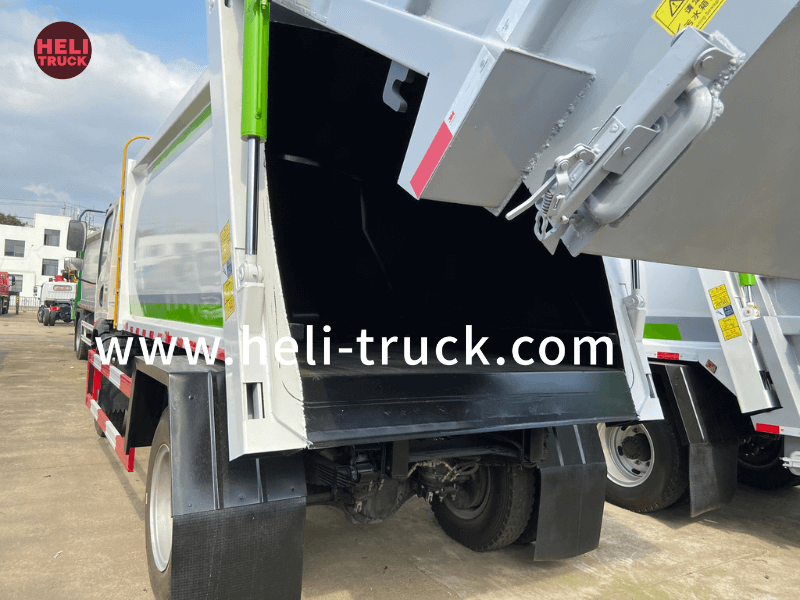
Municipal Services
Vacuum trucks are extensively used in municipal services for a wide range of applications, including sewer cleaning, stormwater management, and waste collection. These vehicles are equipped with high-capacity tanks and vacuum systems that enable them to handle the diverse waste management needs of urban areas. In sewer cleaning operations, vacuum trucks are used to remove debris, sediment, and other blockages from sewer lines and storm drains, preventing backups and overflows that can lead to environmental contamination and public health hazards.
Moreover, vacuum trucks are employed in the maintenance of municipal infrastructure, such as catch basins, manholes, and lift stations, to ensure proper functioning and prevent system failures. These vehicles are also utilized in the collection of solid waste, including leaves, debris, and other materials, from streets, parks, and public spaces. By providing efficient waste collection and disposal services, vacuum trucks contribute to the cleanliness and sanitation of urban environments, promoting public health and well-being.
Emergency Response and Disaster Recovery
During emergencies and natural disasters, vacuum trucks are essential tools for rapid response and recovery efforts. These vehicles are deployed to assist in the cleanup and containment of hazardous materials, debris, and other waste generated by disasters such as floods, hurricanes, and industrial accidents. Vacuum trucks play a critical role in removing contaminated water, sludge, and debris from affected areas, helping to restore normalcy and safety to the impacted communities.
In the aftermath of disasters, vacuum trucks are used to extract floodwater, sewage, and other hazardous substances from buildings, roads, and infrastructure, facilitating the cleanup and recovery process. These vehicles are also employed in environmental remediation activities to mitigate the impact of spills, leaks, and other incidents that pose risks to public health and the environment. By providing rapid and effective waste management solutions, vacuum trucks support emergency response teams and aid in the restoration of affected areas.
Construction and Demolition
Vacuum trucks are valuable assets in the construction and demolition industry for managing waste materials, debris, and sludge generated during building projects. These vehicles are used to collect and transport construction waste, such as concrete, asphalt, and rubble, from job sites to disposal facilities. Vacuum trucks equipped with hydro-excavation capabilities are particularly useful in excavation projects that require precise digging and removal of soil, rocks, and other materials.
Furthermore, vacuum trucks are utilized in the cleanup of demolition sites, where they help remove debris, dust, and other waste materials left behind after building structures are demolished. By efficiently suctioning and transporting waste materials, vacuum trucks contribute to the overall cleanliness and safety of construction sites, enhancing productivity and reducing environmental impacts. These vehicles also play a role in hazardous material abatement activities, such as asbestos removal, by safely containing and disposing of hazardous materials in compliance with regulatory standards.
Oil and Gas Industry
The oil and gas industry relies on vacuum trucks for a variety of applications, including the management of drilling fluids, sludges, and waste materials produced during exploration and production activities. https://www.heli-truck.com/garbage-compactor-truck/ are used to clean drilling rigs, equipment, and storage tanks, removing drilling mud, cuttings, and other contaminants to maintain operational efficiency and safety. These vehicles are also employed in the transportation of produced water, flowback fluids, and other byproducts generated in the extraction and processing of oil and gas reserves.
Moreover, vacuum trucks play a critical role in spill response and containment efforts in the oil and gas sector, where the risk of environmental contamination is high. In the event of oil spills, leaks, or other incidents, vacuum trucks are deployed to quickly and effectively remove the spilled oil or hazardous substances, preventing further damage to the environment and ecosystems. By providing reliable waste management solutions, vacuum trucks help mitigate environmental risks and ensure the sustainability of oil and gas operations.
Agriculture and Livestock Farming
In the agricultural and livestock farming sectors, vacuum trucks are utilized for manure management, waste removal, and environmental protection purposes. These vehicles are used to collect and transport animal waste, such as manure, slurry, and bedding materials, from barns, feedlots, and other facilities to storage or treatment sites. Vacuum trucks equipped with specialized tanks and pumps are capable of handling large volumes of liquid and solid waste, reducing odors, pathogens, and potential environmental impacts associated with animal farming operations.
Additionally, vacuum trucks play a role in nutrient management and soil conservation practices in agriculture by facilitating the proper disposal and utilization of animal waste as organic fertilizer. By efficiently removing and transporting waste materials, vacuum trucks help improve hygiene, sanitation, and environmental quality in agricultural settings. These vehicles also support compliance with environmental regulations and sustainable farming practices, promoting the responsible management of waste in the agriculture sector.
Conclusion
Vacuum trucks are versatile and essential tools in a wide range of industries, providing efficient and reliable waste management solutions for diverse applications. From environmental cleanup and industrial maintenance to municipal services and emergency response, these specialized vehicles play a crucial role in ensuring the safe and sustainable management of waste materials. By utilizing their powerful vacuum systems, filtration technologies, and transportation capabilities, vacuum trucks contribute to environmental protection, public health, and operational efficiency across various sectors.
As industries continue to evolve and environmental challenges become more complex, the demand for vacuum trucks is expected to increase, driving innovation and advancements in waste management technologies. By harnessing the capabilities of vacuum trucks and leveraging their diverse applications, industries can enhance their waste handling practices, minimize environmental impacts, and improve operational performance. As such, vacuum trucks remain indispensable assets in modern-day operations, supporting sustainable and responsible waste management practices in a rapidly changing world.